
Baltic Sea Nations Discuss Protection of Critical Underwater Infrastructure in Berlin
On March 4, 2025, representatives from the Baltic Sea nations—including Germany, Norway, Denmark, Estonia, Finland, Latvia, Lithuania, Poland, and Sweden—met in Berlin alongside NATO and EU officials. The workshop focused on maritime security and the establishment of a regional hub for protecting critical underwater infrastructure in the Baltic Sea.
Background: Recent Sabotage Incidents
The meeting was prompted by increasing hybrid threats targeting vital undersea infrastructure. Notably:
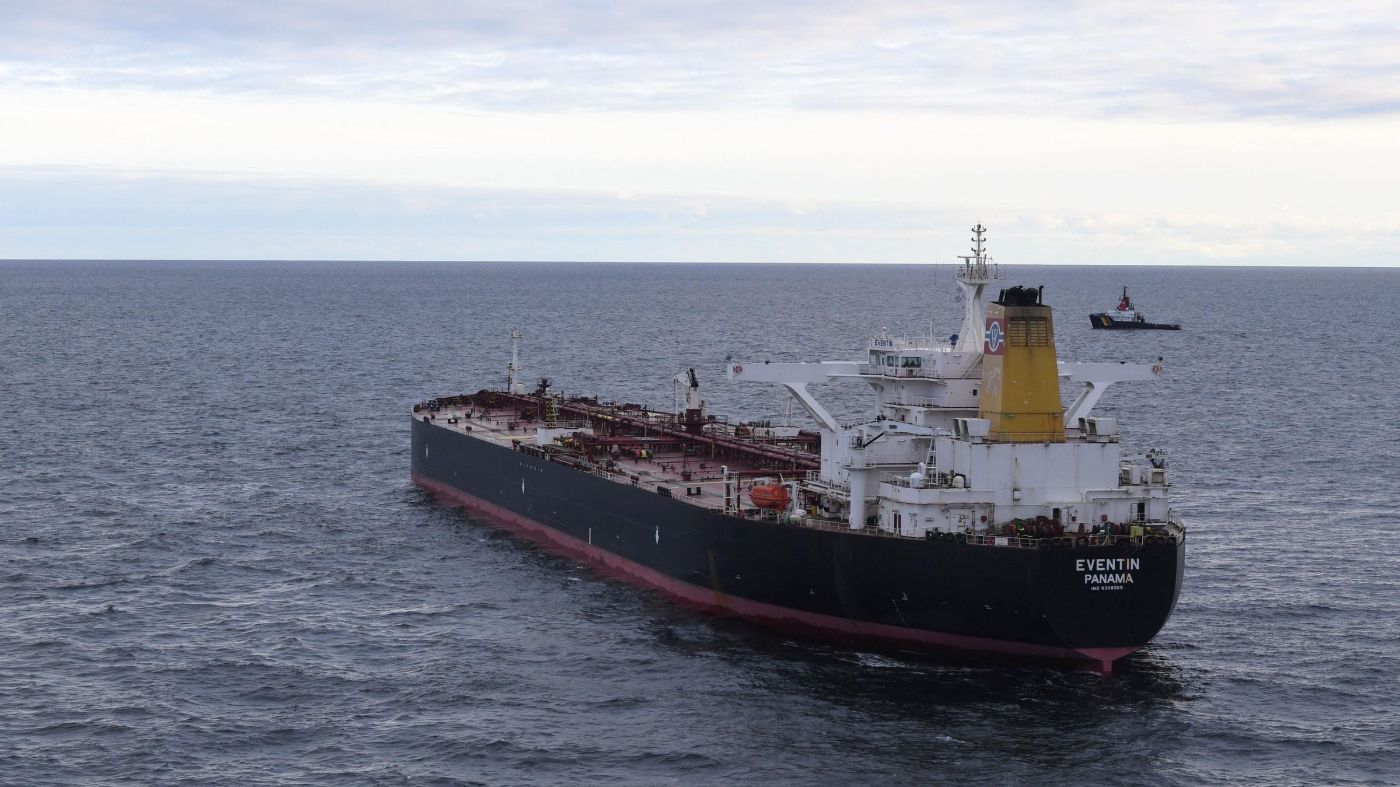
- December 2024: The “EstLink 2” power cable between Finland and Estonia was damaged. Finnish authorities suspect sabotage by the Russian shadow fleet tanker “Eagle S.”
- Past Months: Various incidents, including the sabotage of the Nord Stream pipelines and damage to undersea data cables, have raised concerns about growing threats to Europe’s maritime security.
NATO’s Response and Baltic Sentry Initiative
In response, NATO’s Baltic Sea nations committed to strengthening security at the Baltic Summit in Helsinki on January 14, 2025. Key measures include:
- Launching “Baltic Sentry” to bolster military presence in the region.
- Establishing Regional Hubs to coordinate monitoring and response efforts.
- Deploying autonomous systems for continuous surveillance.
Regional Coordination and Berlin Workshop Outcomes
The Berlin workshop focused on translating these commitments into concrete actions. Key topics included:
1. Regional Critical Undersea Infrastructure Hub (CUI Hub)
- Germany will lead efforts to establish a CUI Hub for the Baltic Sea.
- Norway and other allies support the development of additional hubs in other maritime regions.
- The Rostock-based CTF Baltic will play a central role in hub operations.
2. Maritime Situational Awareness
- Improving the integration of civilian and military sensors to enhance monitoring.
- Utilizing AI to detect anomalies on the seafloor and provide early warnings of sabotage.
3. Drone and Unmanned Systems Deployment
- NATO is prioritizing the use of autonomous systems to monitor key maritime infrastructure.
- Experts discussed existing national programs, technological advancements, and joint initiatives under NATO Task Force X-Baltic.
4. Legal and Regulatory Measures
- Participants explored legal frameworks to counter hybrid threats, particularly actions against suspected vessels from the Russian shadow fleet.
Moving Forward
A key takeaway from the workshop was the necessity of seamless coordination between Baltic Sea nations, NATO allies, civilian operators, and the private sector. This integrated approach will enable real-time maritime situational awareness and proactive security measures.
The findings and proposals from the Berlin discussions will be further developed for presentation at the NATO Summit in The Hague in June 2025.
Source:
Bundesministerium der Verteidigung | Image: BMVG